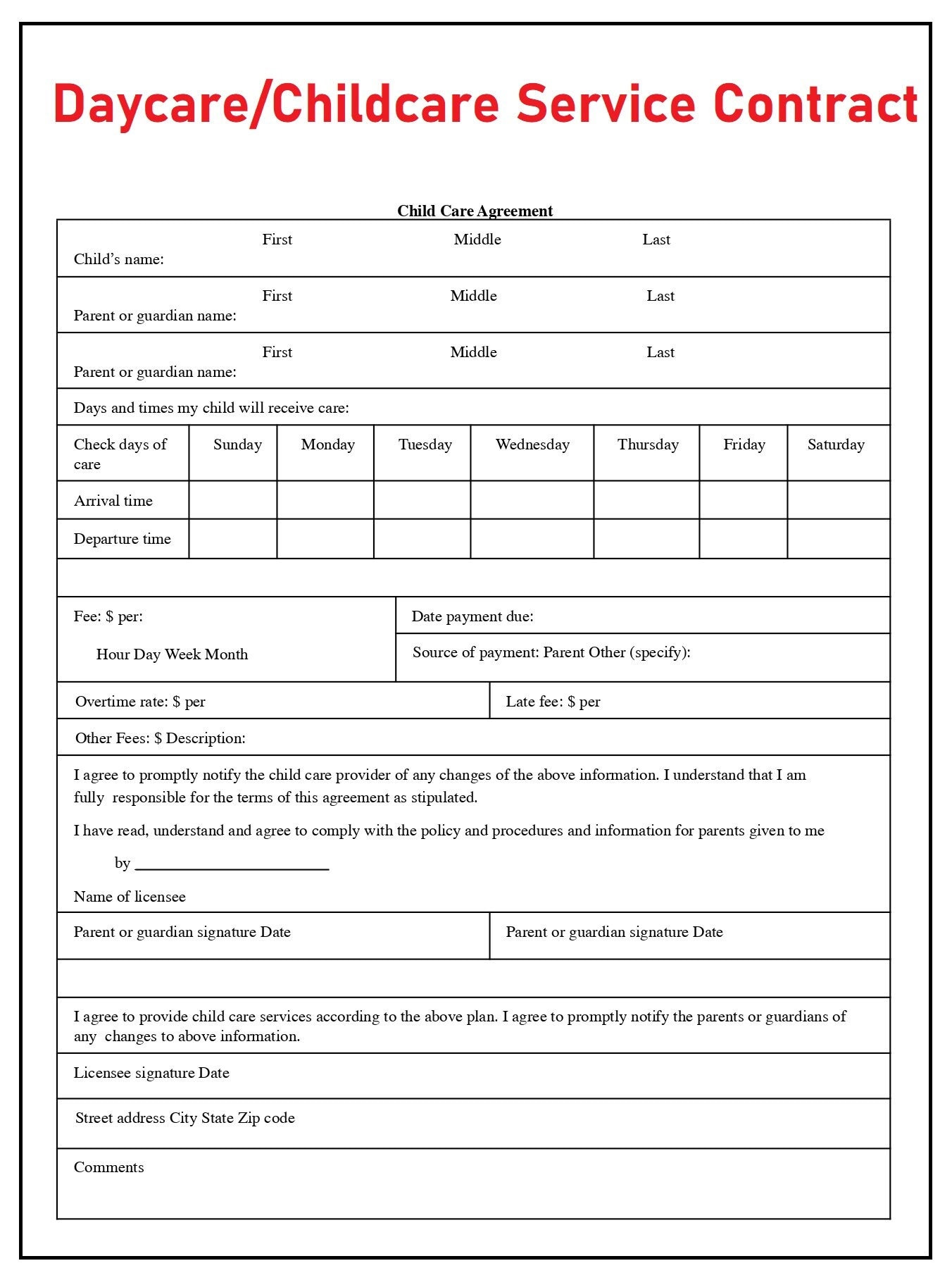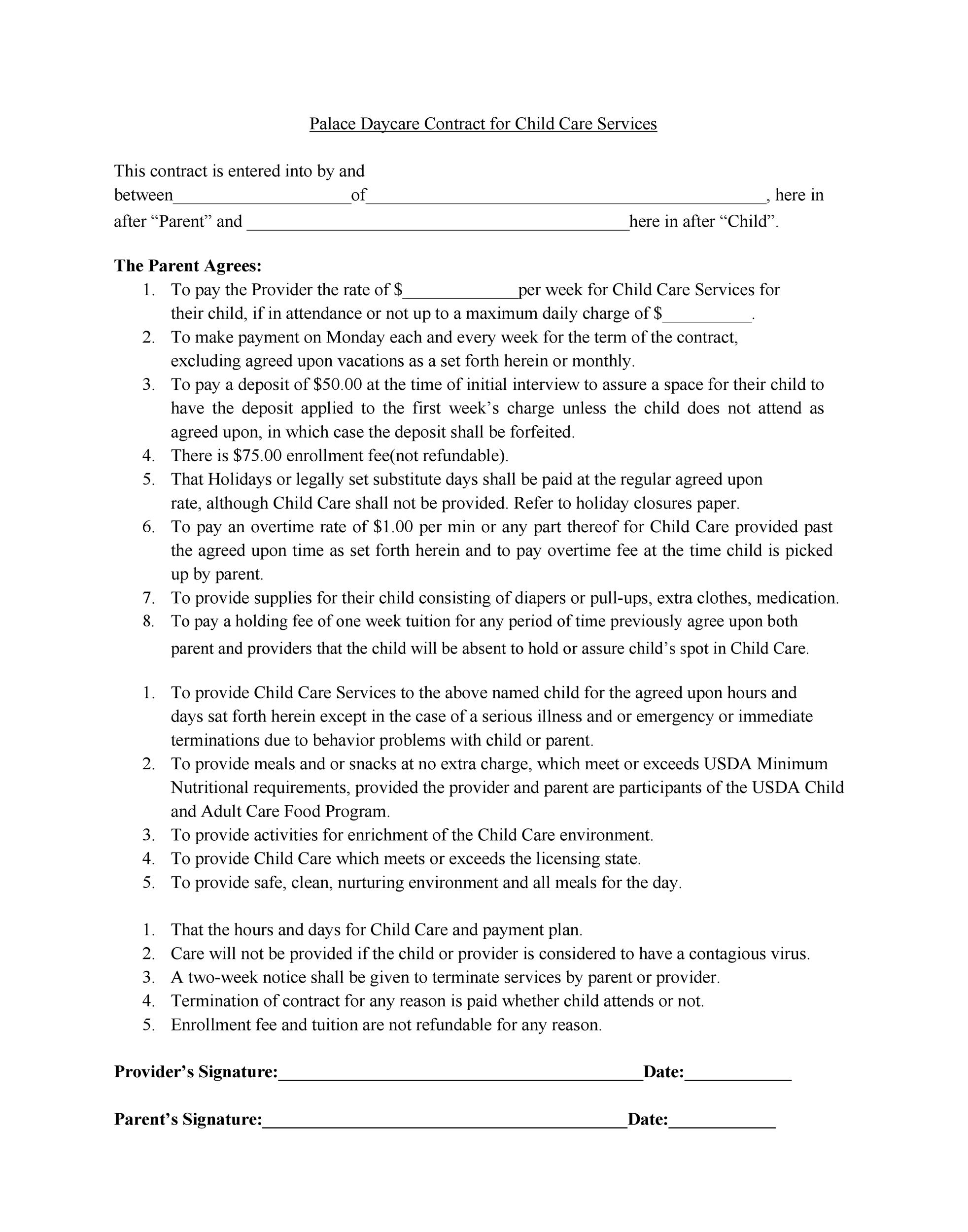
Creating a robust and legally sound daycare contract is paramount for both parents and caregivers. A well-drafted contract protects everyone involved, outlining expectations, responsibilities, and potential liabilities. This comprehensive guide provides a detailed template and essential considerations for establishing a clear and enforceable agreement. In Home Daycare Contract Template – understanding the nuances of this document is crucial for ensuring a smooth and secure partnership. This article will delve into the key components, best practices, and potential pitfalls to help you navigate the process effectively. It’s designed to be a starting point, adaptable to your specific needs and local regulations.
Understanding the Importance of a Daycare Contract
The absence of a formal contract can lead to significant misunderstandings and disputes. Without a written agreement, disagreements over responsibilities, payment schedules, and other crucial details can escalate quickly. A clearly defined contract minimizes these risks and fosters a collaborative environment. It’s not just about protecting your investment; it’s about establishing trust and ensuring everyone is on the same page. Furthermore, it provides a valuable record of the agreed-upon terms, which can be beneficial in the event of a dispute. Consider the potential consequences of a breach – financial penalties, legal action, and damage to your reputation. Investing time and effort into creating a solid contract demonstrates your commitment to the well-being of your child and the stability of your childcare arrangement.

Key Components of a Daycare Contract Template
A comprehensive daycare contract should address several key areas. Let’s break down the essential elements:
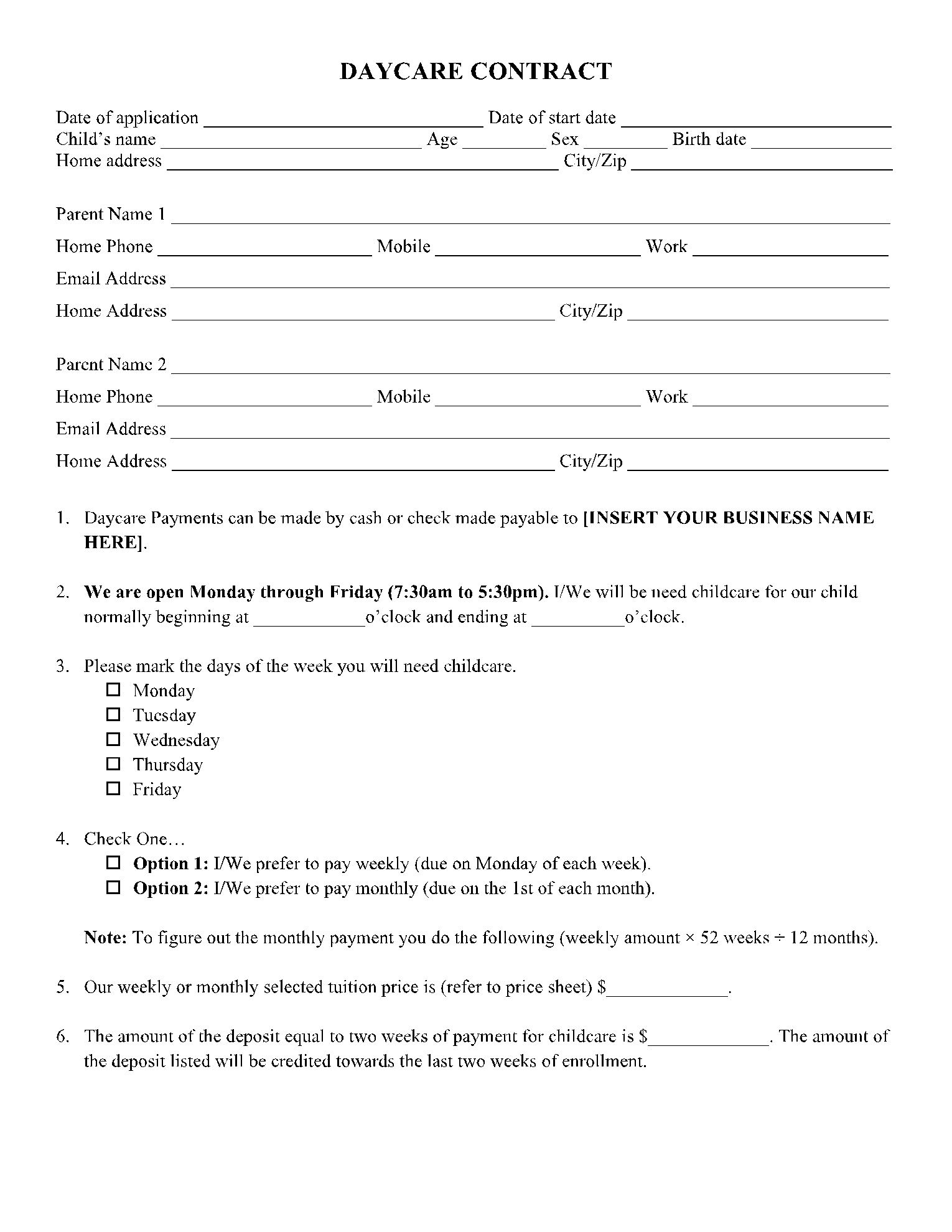
1. Parties Involved
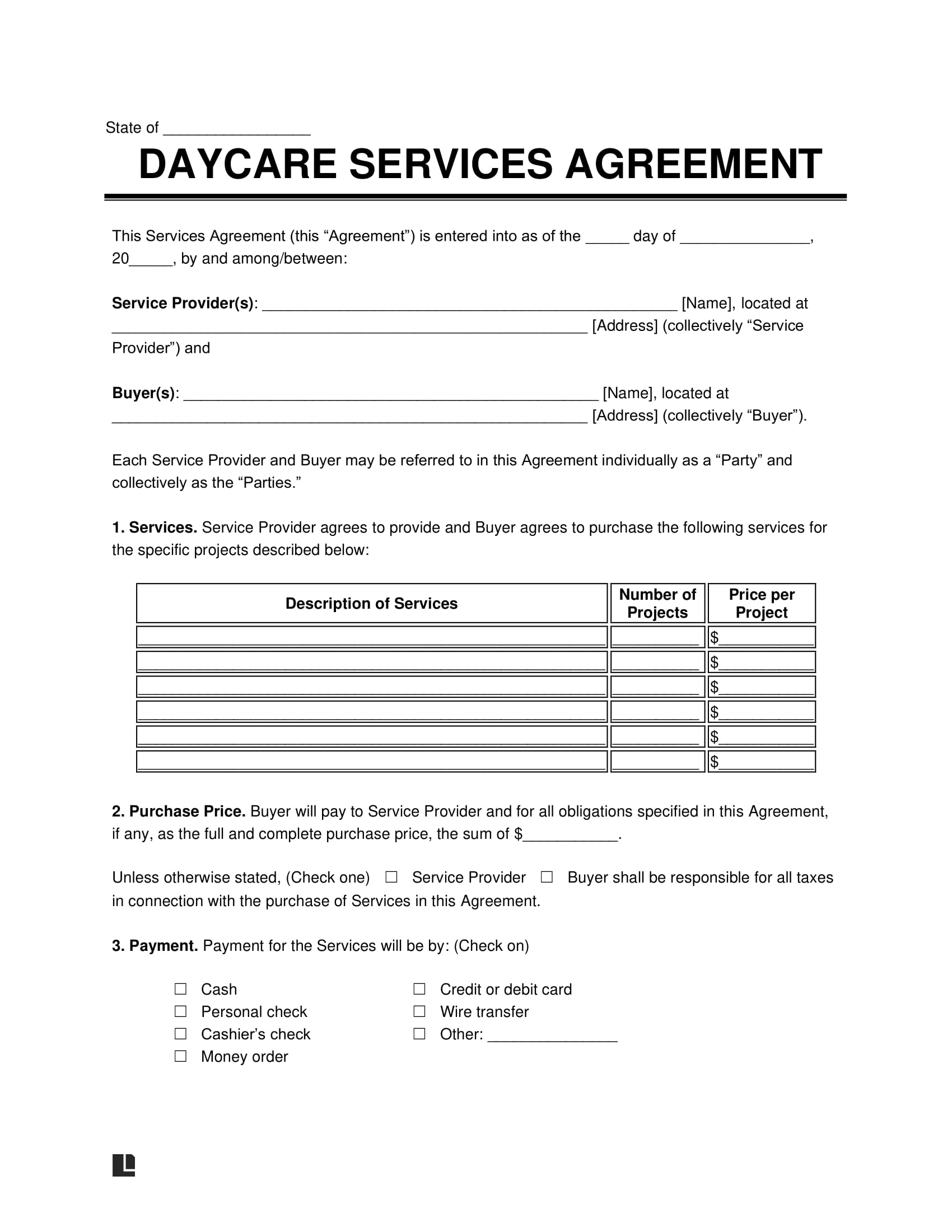
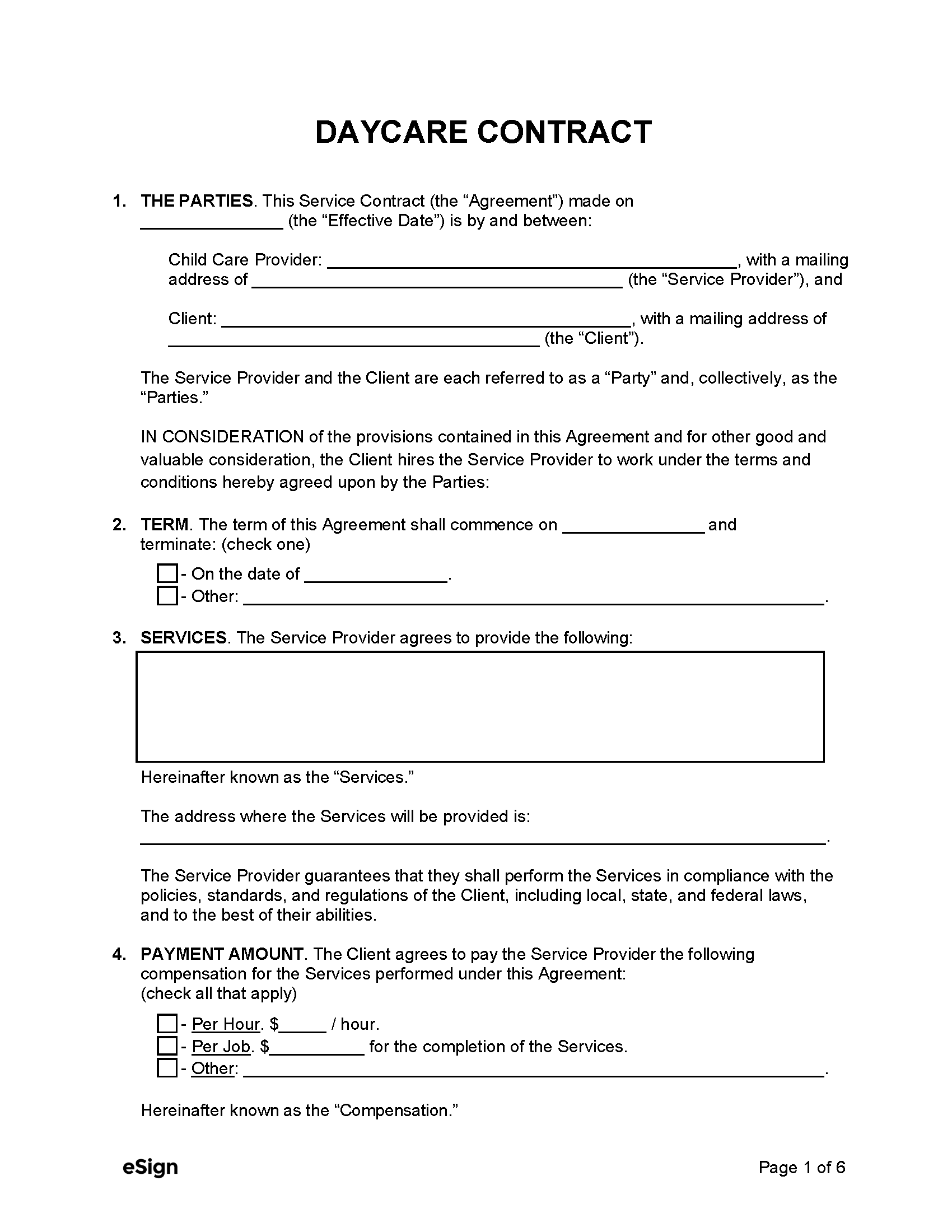
Clearly identify all parties involved – the parent(s) or guardian(s) and the daycare provider. Specify the full legal names and contact information for each party. This ensures clarity and avoids confusion regarding who is responsible for what. It’s vital to include a statement confirming the parent’s authority to sign the contract.
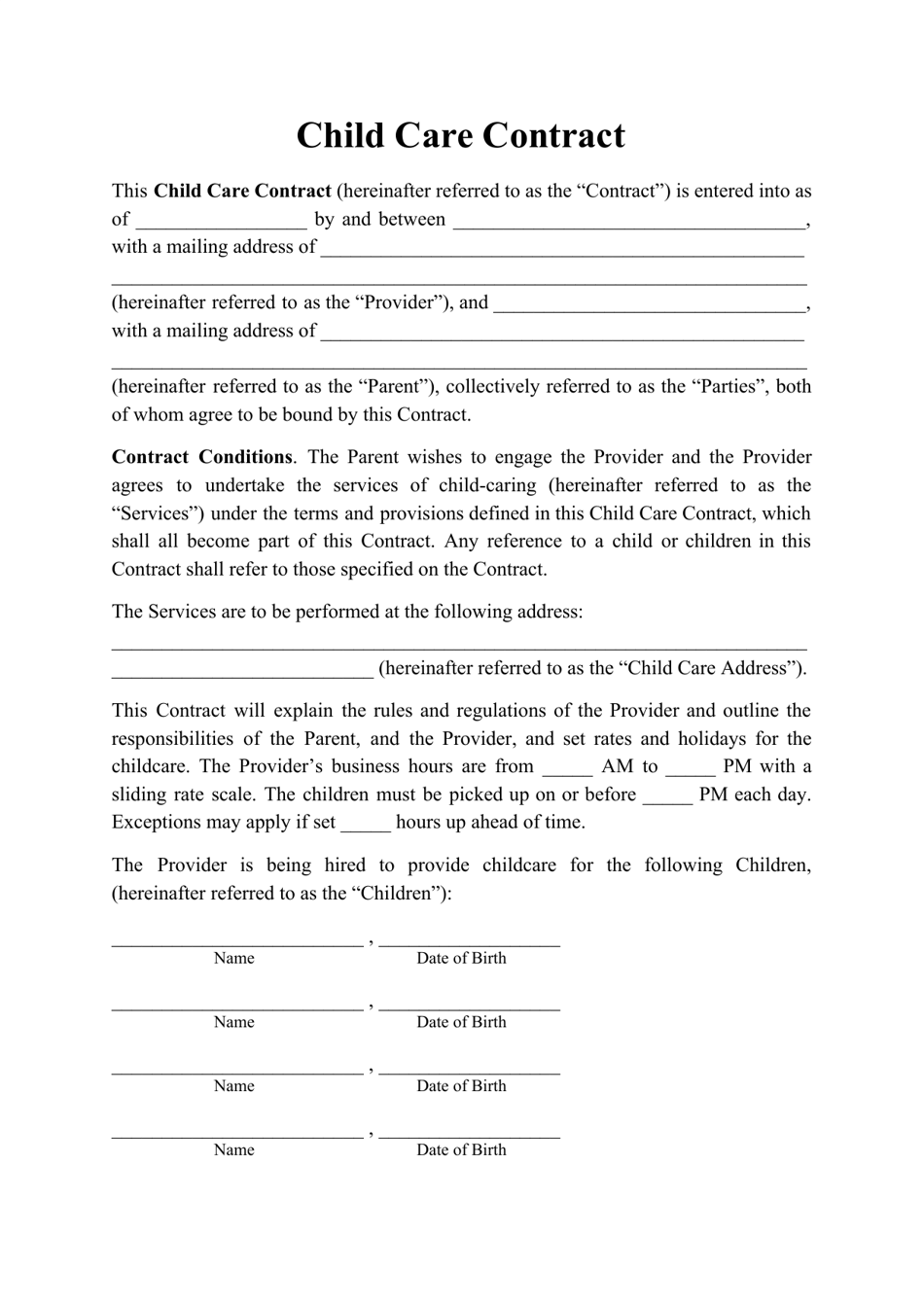
2. Child’s Information
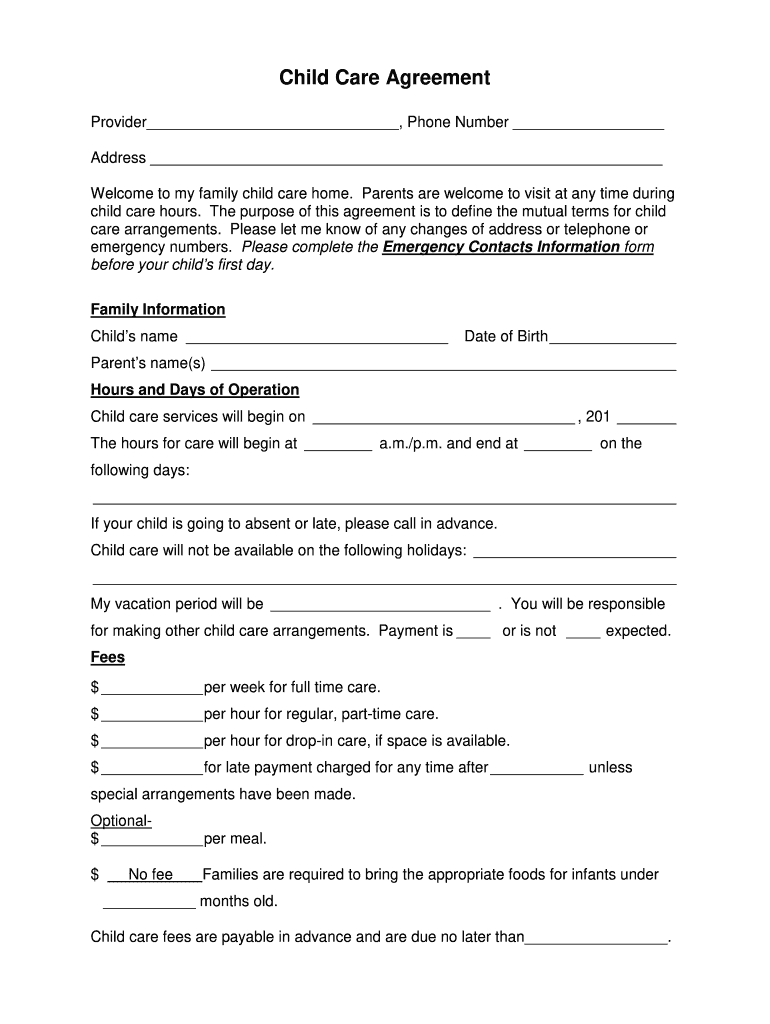
Provide complete details about the child, including their full name, date of birth, and any relevant medical information (allergies, medications, special needs). This information is crucial for ensuring the child’s safety and well-being. It also helps the daycare provider understand the child’s unique requirements.
3. Daycare Provider’s Information
Similarly, detail the daycare provider’s contact information, including their business address, phone number, and email address. This allows for easy communication and facilitates the management of the childcare arrangement.

4. Daily Schedule and Hours
Outline the daily schedule, including the start and end times of the daycare, meal times, and nap times. Specify the number of hours the child will be in the daycare each day. This provides predictability for both parents and the child. Consider including a section for emergency contact information, outlining who to contact in case of an urgent situation.

5. Fees and Payment Schedule
Clearly state the daycare fees, including the frequency of payments (weekly, bi-weekly, monthly). Specify the payment method (cash, check, online payment). Include a detailed breakdown of all fees, such as tuition, activity fees, and any other charges. A written agreement outlining payment terms is essential.

6. Responsibilities of the Provider
Define the provider’s responsibilities regarding the child’s care, including supervision, safety, and adherence to established policies. Specify the provider’s procedures for handling emergencies and accidents. This section should address the provider’s commitment to maintaining a safe and nurturing environment.
7. Termination Clause
Outline the conditions under which the contract can be terminated by either party. Specify the notice period required for termination and the consequences of termination. This protects both parties in case of a change in circumstances.
Specific Clauses to Consider
- Emergency Procedures: Detail the daycare provider’s protocols for handling emergencies, including first aid, medical emergencies, and fire safety.
- Child Protection Policy: Include a statement outlining the daycare provider’s commitment to child protection and adherence to relevant laws and regulations.
- Dispute Resolution: Specify the process for resolving disputes, such as mediation or arbitration.
- Insurance: Clarify whether the daycare provider has liability insurance and the requirements for coverage.
- Confidentiality: Establish confidentiality regarding the child’s personal information.
Legal Considerations and Best Practices
It’s important to consult with an attorney to ensure your daycare contract complies with all applicable laws and regulations. Some jurisdictions have specific requirements regarding contracts for childcare. Furthermore, clearly written contracts are more likely to be upheld in court if a dispute arises. Consider using a template and having it reviewed by an attorney to ensure it’s tailored to your specific needs. Maintaining a copy of the contract for both parties is also highly recommended. Regularly review the contract to ensure it still reflects the current needs of both the parent and the daycare provider.

The Role of Technology in Daycare Contracts
While a paper contract is still valuable, technology can streamline the process and improve efficiency. Consider using online contract platforms or digital signature tools to facilitate signing and tracking. These tools can also automate reminders and notifications, ensuring that both parties are aware of important deadlines. However, always ensure the digital signature is legally binding.
Conclusion
Establishing a robust and legally sound daycare contract is a vital investment in the well-being of your child and the stability of your childcare arrangement. By carefully considering the key components outlined in this guide and consulting with legal counsel, you can create a contract that protects your interests and fosters a positive and secure partnership with your daycare provider. Remember that a well-drafted contract is a cornerstone of a successful and harmonious childcare relationship. In Home Daycare Contract Template – a proactive approach to contract creation will undoubtedly contribute to a more positive and lasting experience for everyone involved.

Conclusion
The creation of a comprehensive daycare contract is a significant undertaking, demanding careful consideration and attention to detail. However, the benefits – protecting your child’s interests, establishing clear expectations, and minimizing potential disputes – far outweigh the effort involved. By prioritizing a well-structured contract, parents and caregivers can cultivate a secure and mutually beneficial partnership, ensuring a happy and thriving childcare experience for everyone. Ultimately, a thoughtfully crafted contract is an investment in the future of your child’s care and your own peace of mind.