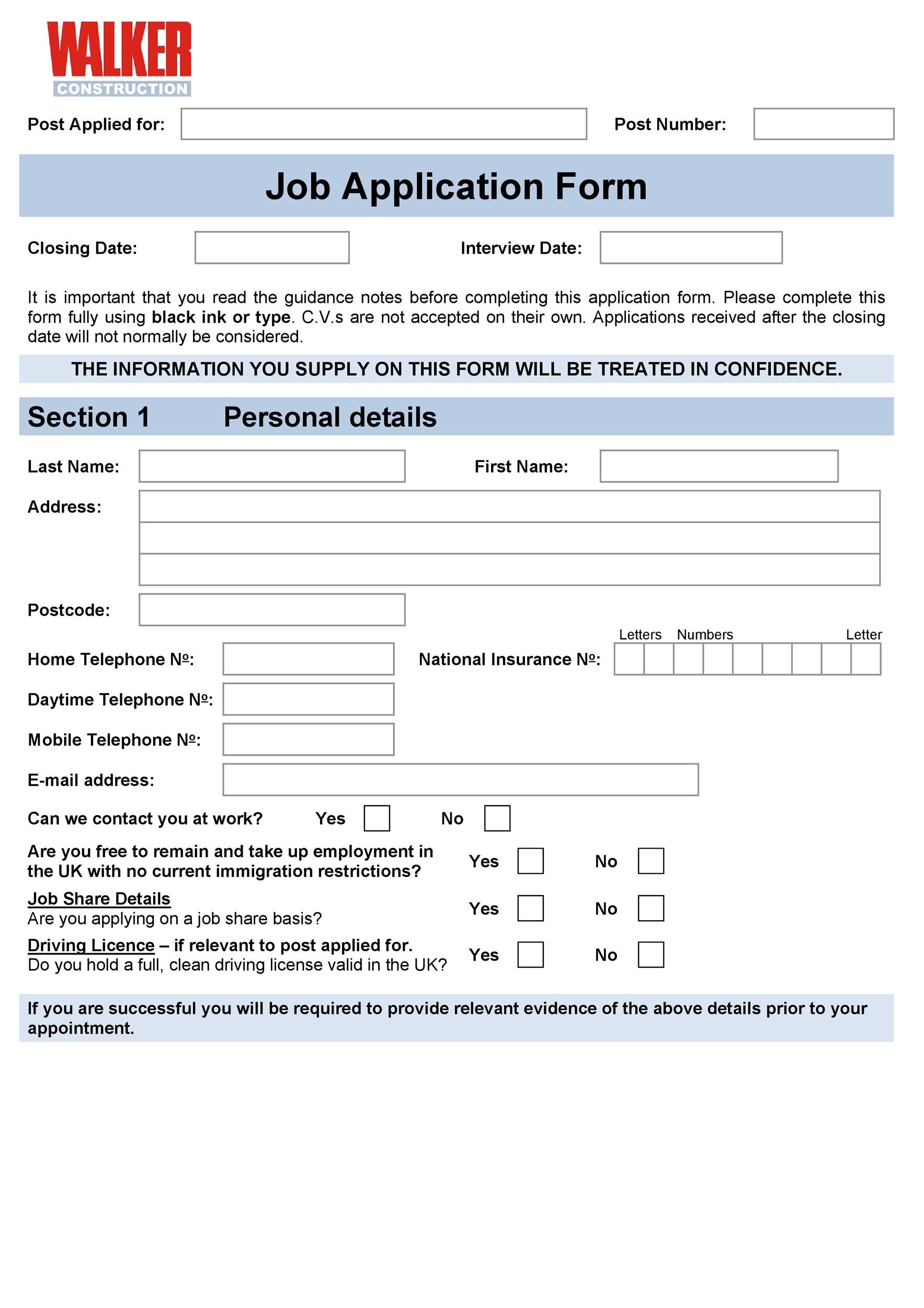
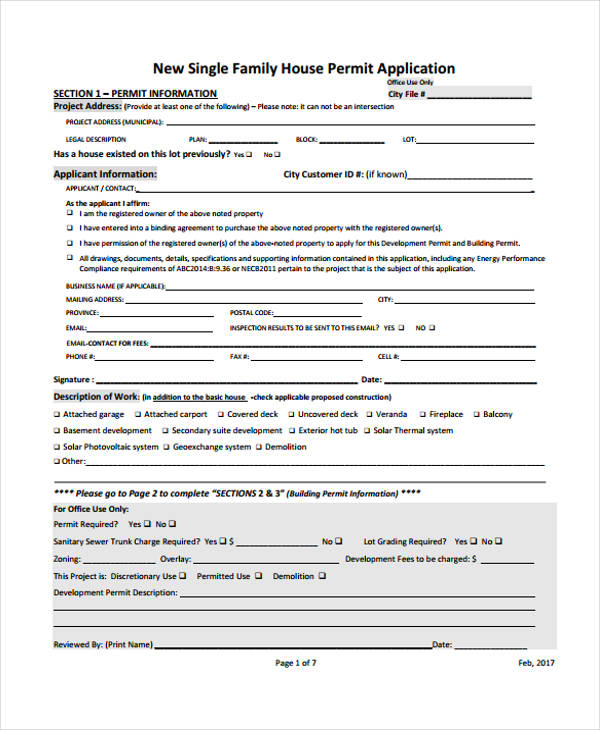
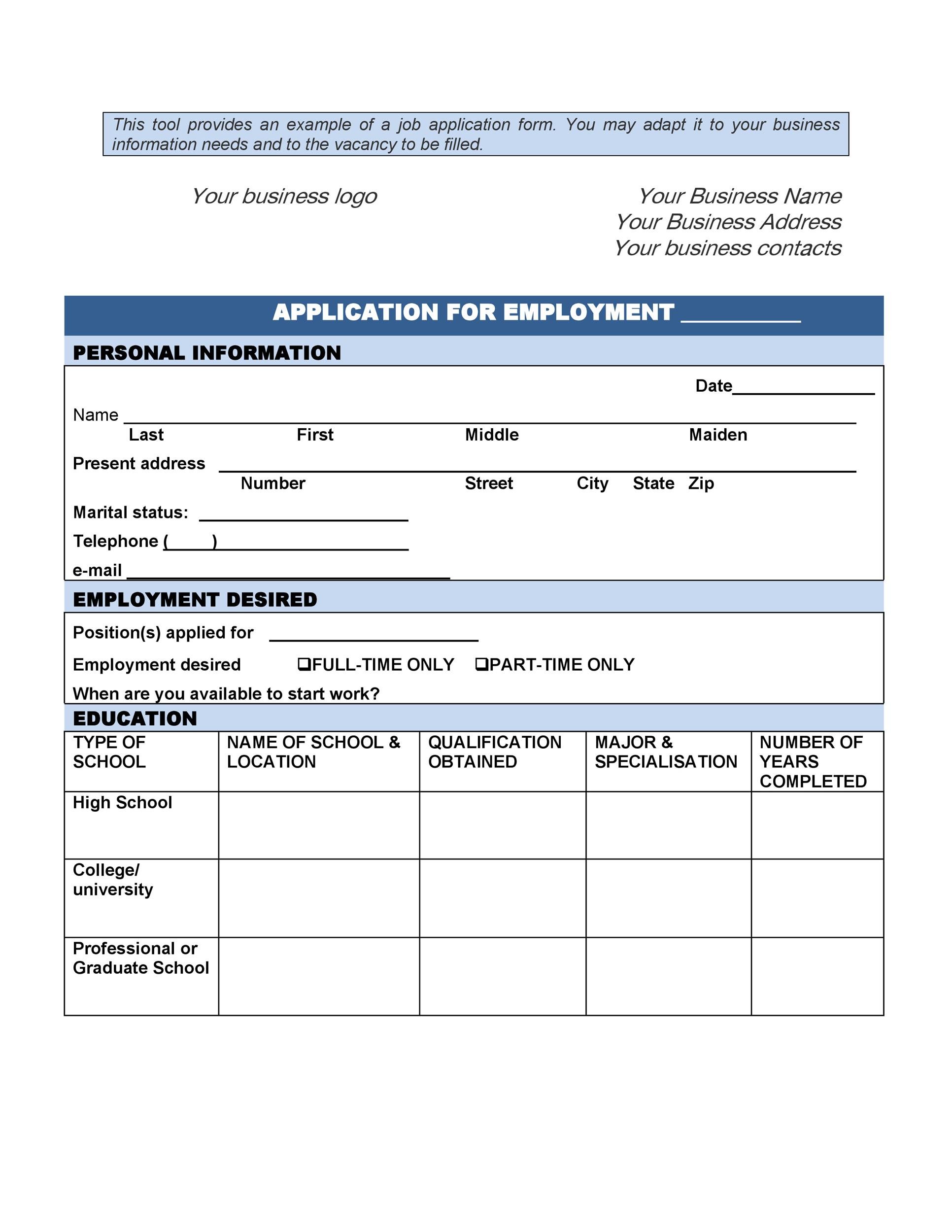
The construction industry is a dynamic and demanding sector, constantly seeking skilled and reliable individuals to contribute to its ongoing projects. From large-scale infrastructure developments to residential renovations, the need for qualified applicants is consistently high. A crucial first step in securing a construction job is crafting a compelling application that effectively showcases your skills, experience, and suitability for a particular role. This article provides a comprehensive guide to creating a standout construction job application template, designed to help you stand out from the competition. Construction Job Application Template – understanding the nuances of this document is essential for maximizing your chances of success. It’s more than just a form; it’s a strategic tool that demonstrates your professionalism and commitment to the industry. Let’s dive in.
Understanding the Importance of a Strong Application
Before we delve into the specifics of the application template, it’s important to understand why it’s so vital. Construction companies are often inundated with applications, and a poorly written or incomplete application can be a significant deterrent. A well-crafted template demonstrates attention to detail, a proactive approach, and a clear understanding of the role you’re seeking. It’s your first impression, and it needs to be polished and professional. Furthermore, many companies use applicant tracking systems (ATS) that scan applications for keywords and qualifications. A template that incorporates relevant keywords will significantly improve your chances of being noticed by the system. Ultimately, a strong application is a key indicator of your potential to contribute to a successful construction project.
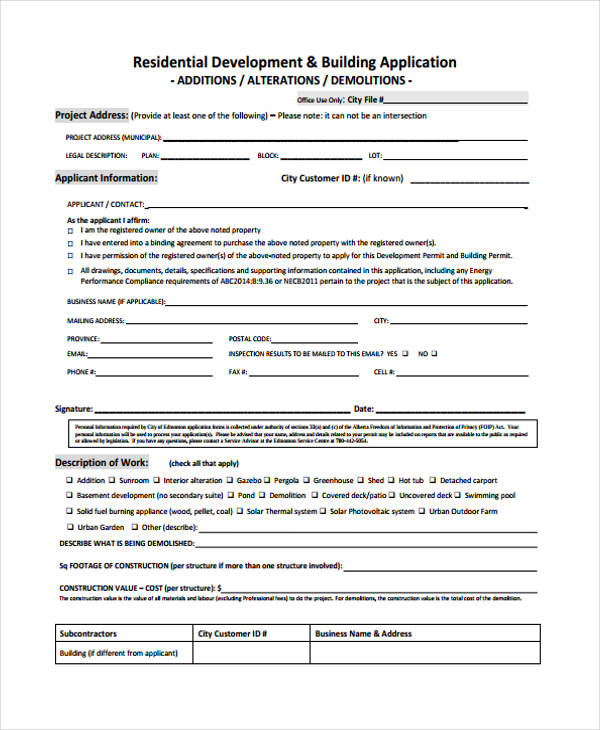
Core Sections of a Construction Job Application Template
Let’s break down the essential sections of a construction job application template. Each section should be carefully considered and tailored to the specific requirements of the role you’re applying for.
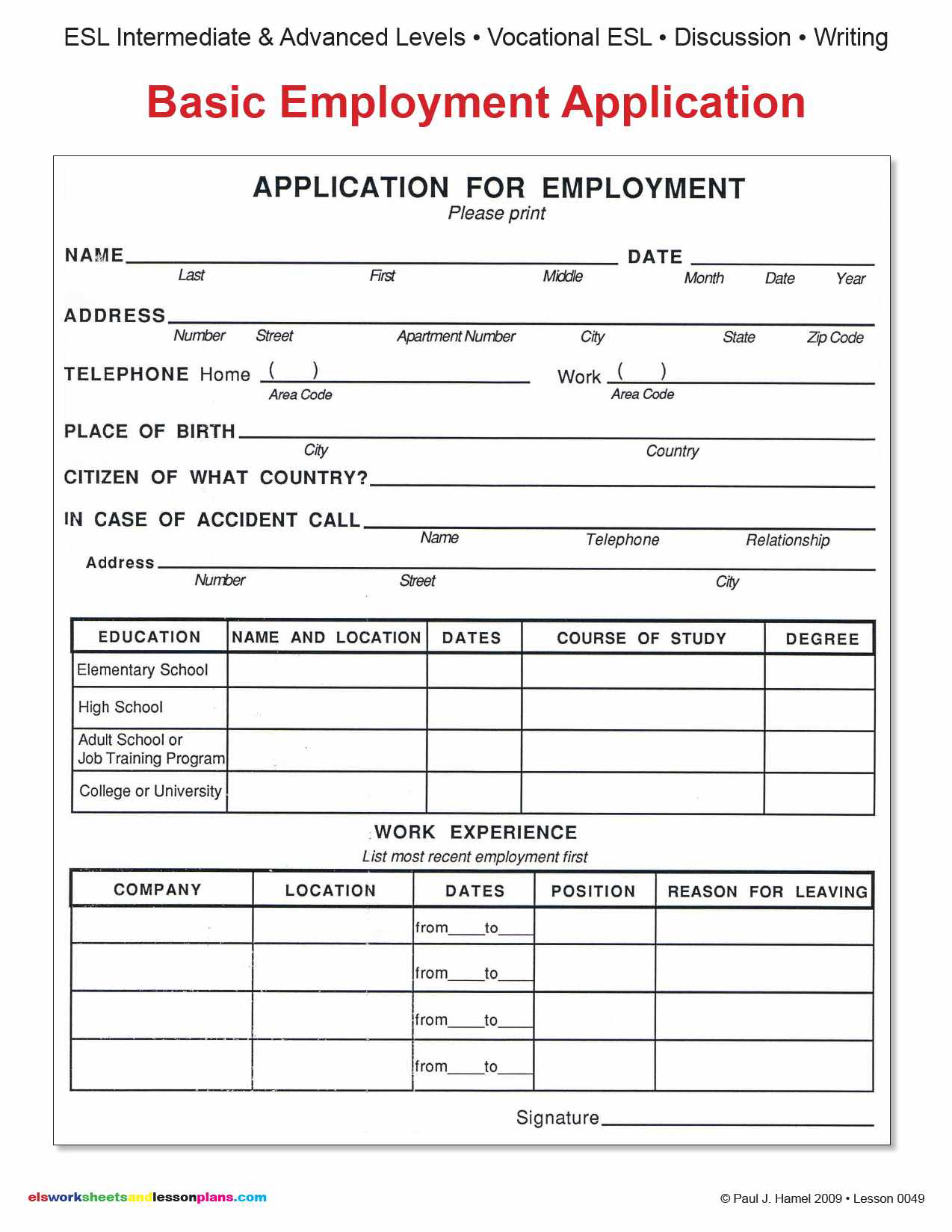
1. Contact Information
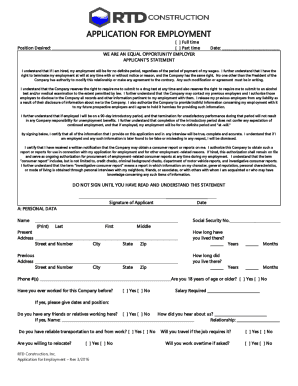
This section provides basic contact details, ensuring the recruiter can easily reach you. Always double-check for accuracy and ensure your email address and phone number are professional. It’s a standard practice to include your full name, address, phone number, and email address. Consider adding a professional LinkedIn profile URL as well. A complete and accurate contact profile is crucial for efficient communication.
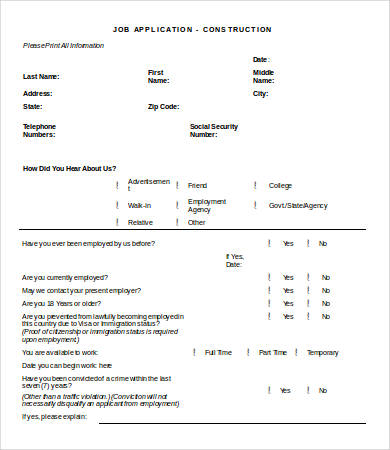
2. Resume/CV
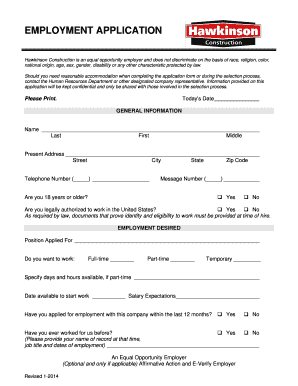
Your resume or CV is the cornerstone of your application. It should be a concise and well-organized summary of your professional experience, skills, and qualifications. Construction Job Application Template requires a clear and chronological presentation of your work history, highlighting relevant projects and accomplishments. Use action verbs to describe your responsibilities and quantify your achievements whenever possible. Tailor your resume to each specific job description, emphasizing the skills and experience most relevant to the position. Don’t simply list your job duties; demonstrate the impact you made.
3. Skills Section
This section is critical for showcasing your technical and soft skills. Categorize your skills to make them easier to read. Common categories include:
- Technical Skills: This could include specific software proficiency (e.g., AutoCAD, Revit, SketchUp), construction methods (e.g., concrete pouring, framing, welding), and equipment operation.
- Soft Skills: These are essential for teamwork and communication. Examples include problem-solving, communication (written and verbal), leadership, time management, and adaptability.
- Safety Skills: Demonstrating a commitment to safety is paramount in the construction industry. Include any certifications or training related to safety protocols.
4. Work Experience
This section details your previous employment history, focusing on roles and responsibilities that are relevant to the target position. For each role, provide a brief description of your duties and accomplishments, using the STAR method (Situation, Task, Action, Result) to illustrate your impact. Quantify your achievements whenever possible – for example, “Reduced project costs by 10% through efficient material management.” Construction Job Application Template requires a clear and concise narrative of your past experiences.
5. Education & Certifications
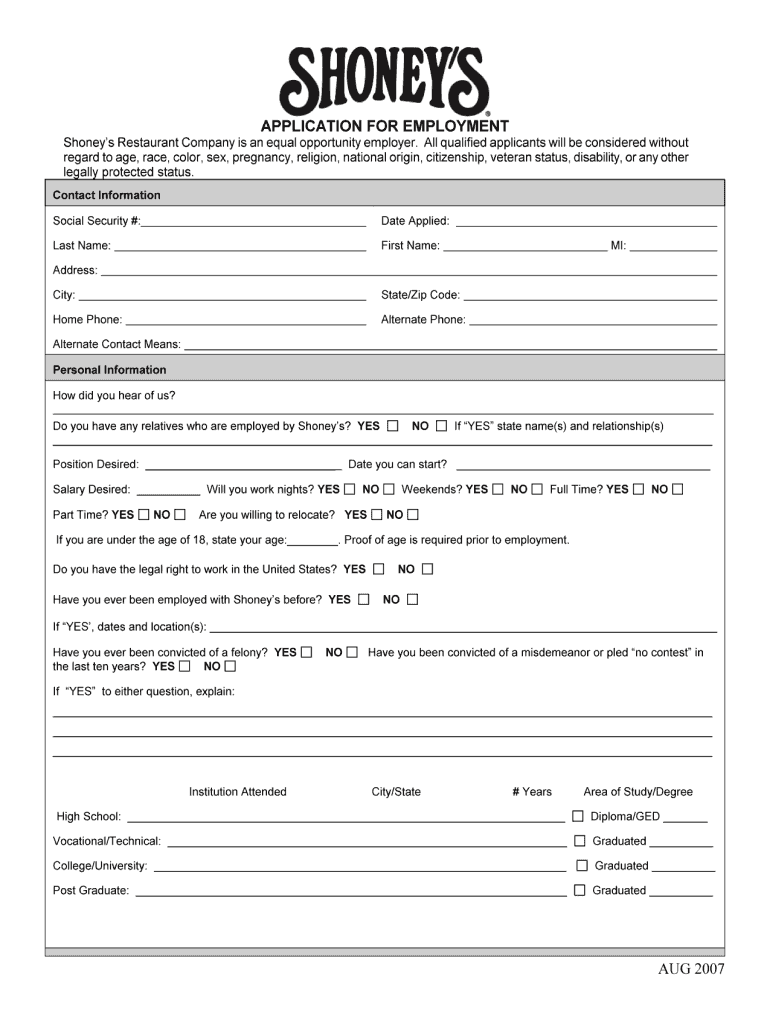
Include details about your educational background, including degrees, diplomas, and relevant coursework. Highlight any certifications or licenses that are relevant to the position, such as OSHA certifications, or specific trade certifications. This demonstrates your commitment to professional development and your knowledge of industry standards.
6. References**
It’s generally advisable to state that references are available upon request. However, be prepared to provide a list of references with their contact information when requested. Always obtain permission from your references before listing them.

Tailoring Your Application for Construction Jobs
A generic application will rarely be successful. Construction companies often require applicants to demonstrate a specific understanding of the industry and a commitment to quality. Therefore, it’s crucial to tailor your application to each specific job description. Carefully read the job posting and identify the key requirements and desired skills. Then, adjust your resume and cover letter to highlight the experiences and qualifications that align with those requirements. Use keywords from the job description throughout your application materials. This shows that you’ve taken the time to understand the role and that you’re a good fit for the company.
Demonstrating Your Understanding of Construction Processes
Beyond simply listing your skills, it’s important to demonstrate your understanding of the construction process. This could involve including a brief overview of the different phases of a construction project, such as planning, design, execution, and completion. You could also mention your familiarity with relevant construction methods and materials. Showing that you understand the overall workflow will demonstrate your ability to contribute effectively to a team.
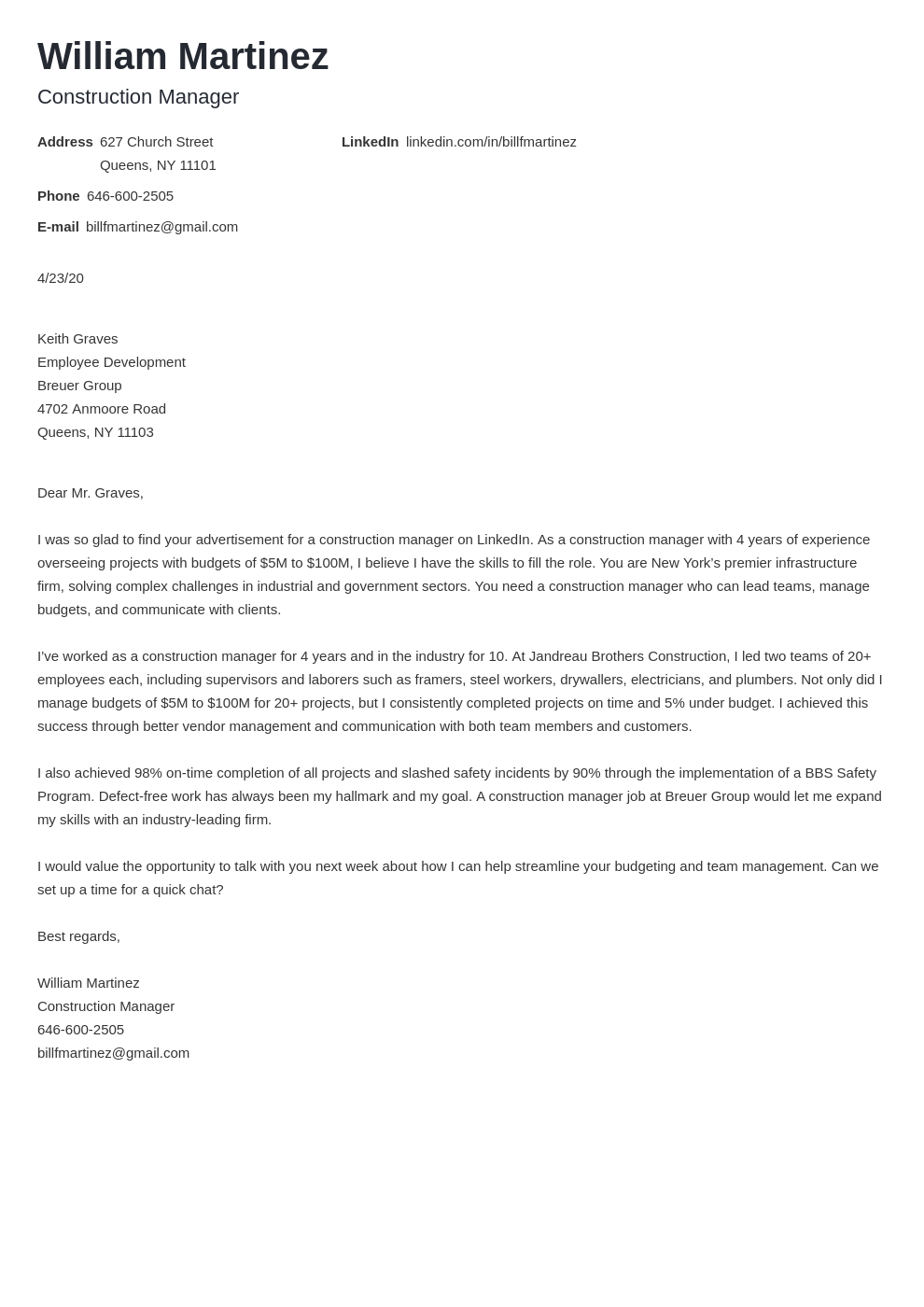
Following Up After Applying
After submitting your application, it’s often a good idea to follow up with the hiring manager or recruiter. A polite email expressing your continued interest in the position can demonstrate your enthusiasm and professionalism. Keep your email brief and focused, reiterating your qualifications and highlighting your interest in the opportunity.
Conclusion
Creating a compelling construction job application template is a critical step in securing a desirable position. By carefully considering each section of the template, tailoring your application to the specific role, and demonstrating your understanding of the construction industry, you significantly increase your chances of success. Remember to consistently highlight your skills, experience, and commitment to quality. A well-crafted application is more than just a document; it’s a reflection of your professionalism and your potential to contribute to a thriving construction team. Investing the time and effort to create a strong application is an investment in your future in the industry. Construction Job Application Template – a template that’s designed to help you achieve your career goals.
